
The keys are almost handed back, the boxes are on the truck, and it feels like the move is finished. In reality, the final day at your old home is where a surprising amount of money is won or lost, because the condition you leave a property in decides how much of your security deposit ever finds its way back to you. A rushed, careless move-out is one of the most expensive mistakes a tenant can make.
This guide focuses on the often-overlooked back end of a move: the handover. From clearing the furniture to the deep clean that satisfies a landlord’s inspection, here is how to leave your old home in a state that protects your deposit and closes the tenancy on good terms rather than in a dispute.
Why the last day matters most
Most tenancy agreements require you to return the property in the same condition you received it, allowing for fair wear and tear. Landlords and agents inspect against that standard, and anything short of it comes straight out of your deposit. The difference between a clean handover and a careless one can run into thousands of dirhams.
The catch is that the last day is also when you are most exhausted and most tempted to cut corners. Recognising that the handover deserves as much planning as the packing is the mindset that keeps your deposit intact.
Understanding your handover obligations
Before you do anything, reread your tenancy contract and any check-in report from when you moved in. That report is your baseline; it records the condition of walls, fittings, and appliances on day one, and it is the document against which you will be judged. Knowing exactly what is expected removes the guesswork from your final push.
Pay attention to specifics: some agreements require professional cleaning, pest control, or the property repainted to its original colour. Meeting these named conditions is far cheaper than having the landlord arrange them and bill you at their own rate.
Clearing and moving the furniture out first
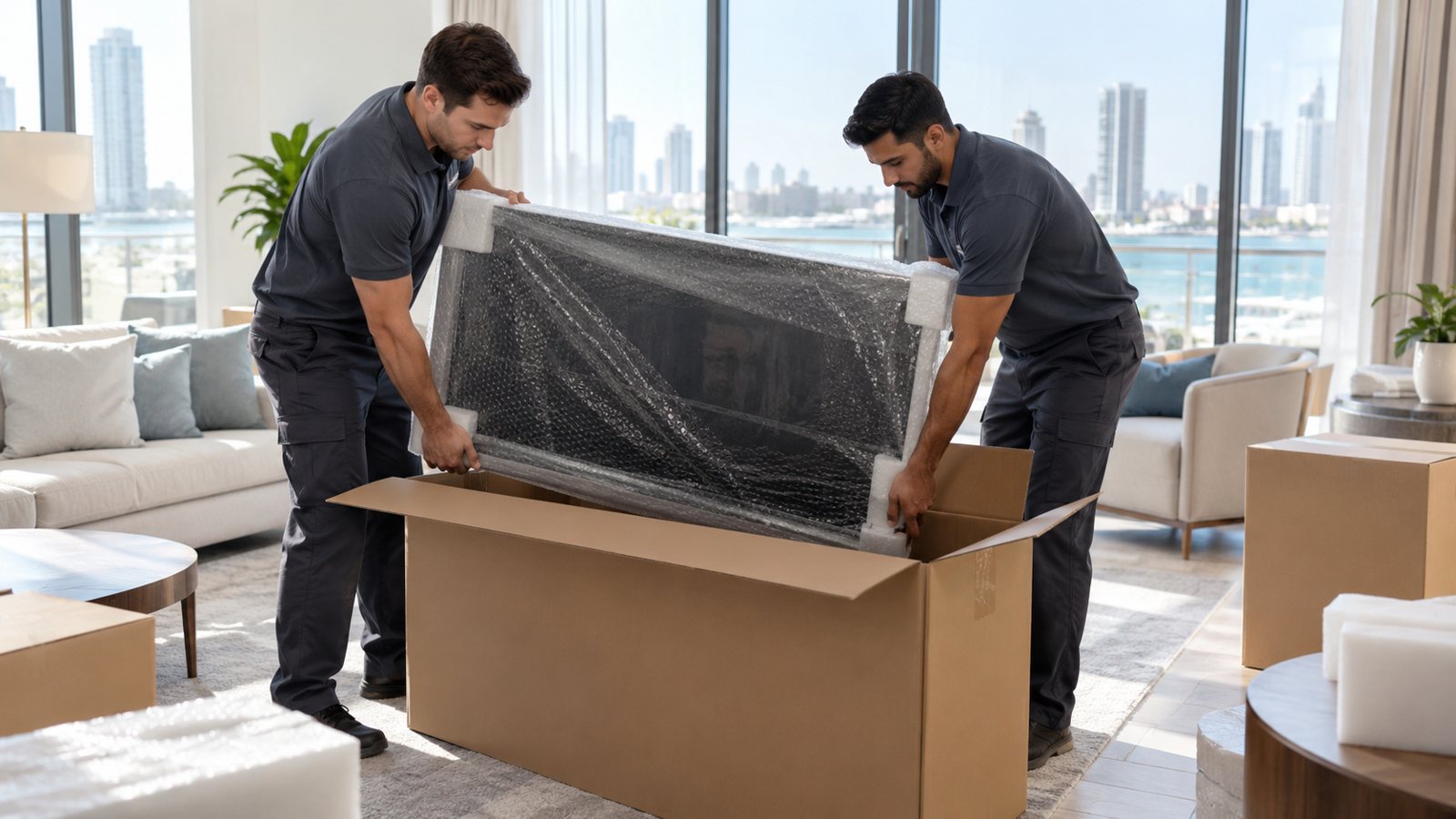
You cannot properly clean or inspect a home full of furniture, so the belongings have to leave before the handover work begins. This is especially true in larger villa communities where every room is full and the sheer volume takes time to shift. Emptying the property completely reveals the marks, dust, and scuffs that furniture was hiding.
In family villa neighbourhoods, coordinating this stage well makes everything that follows easier, and furniture movers The Springs residents rely on can clear a home efficiently so the cleaning crew walks into empty, accessible rooms rather than working around a half-packed house.
The deep clean that recovers your deposit
A quick vacuum will not pass a proper inspection. Handover cleaning means the whole property top to bottom: kitchens degreased inside and out, bathrooms scrubbed and descaled, windows cleaned, air-conditioning vents wiped, and floors detailed into every corner. Months of daily living leave a build-up that only a thorough clean will lift.
Many tenants find it far less stressful to book a professional handover clean than to attempt it themselves after a full day of moving. A dedicated cleaning services Dubai team brings the equipment and the checklist to meet an agent’s standard, and the fee is usually a fraction of what a landlord would deduct for an unclean home.
Repairs, touch-ups, and fair wear and tear
Small damage accumulates over a tenancy, and addressing it before the inspection is cheaper than letting the landlord price it. Fill nail holes, touch up scuffed paint, replace dead light bulbs, and fix the minor breakages you have been ignoring. These little jobs cost very little but visibly signal a well-kept home.
Know the line between damage and fair wear and tear, though. Faded paint from sunlight or lightly worn carpet after years of living is not something you should be charged for, and understanding that distinction helps you push back fairly if a deduction seems unreasonable.
The final inspection walkthrough
The handover inspection is your chance to agree the property’s condition on the spot. Be present if you possibly can, walk the home with the agent, and take dated photographs of every room once it is empty and clean. That photographic record is your strongest protection if any dispute arises later over the deposit.
Bring the original check-in report to the walkthrough so you can compare like for like. Settling the condition face to face, with evidence in hand, is far quicker and less stressful than arguing over deductions by email weeks after you have gone.
If the agent cannot attend in person, ask for the inspection findings in writing and respond promptly with your own dated photographs. A clear paper trail, agreed close to the handover while everyone still remembers the state of the property, is what keeps a deposit return on schedule rather than letting it drift into weeks of silence and back-and-forth.
Coordinating the move-out and clean together
The smoothest handovers happen when the furniture removal and the deep clean are sequenced as one plan rather than two scrambles. The movers clear the home, the cleaners move in behind them, and the inspection follows while everything is fresh, all within a single well-organised day.
Working with dependable specialists who can align the moving and cleaning schedules takes the pressure off the most stressful day of the process. When both crews are coordinated, you hand back the keys knowing the property is genuinely ready for inspection.
Key Takeaways
- Your deposit hinges on the condition you leave the property in.
- Reread the tenancy contract and check-in report to know what is expected.
- Move all furniture out before cleaning so no marks stay hidden.
- A professional deep clean usually costs less than a landlord’s deductions.
- Photograph every empty, clean room at the final inspection as evidence.
Closing the tenancy on your terms
A move is not truly finished until the old home is handed back and the deposit is safely returned. Treat the last day with the same care as the first box you packed: clear the furniture, clean to the standard your contract demands, fix the small stuff, and document everything. Do that, and instead of a lingering dispute you get a clean break, your deposit back, and a landlord who would happily rent to you again.